




 分享
分享产品介绍 评论(0)
物种
Human分子别名
Nuclear factor NF-kappa-B p105 subunit, DNA-binding factor KBF1, EBP-1, Nuclear factor of kappa light polypeptide gene enhancer in B-cells 1Accession
P19838表达序列
Met1-Gly434
表达宿主
E.coli分子量
50-55 kDa (Reducing)
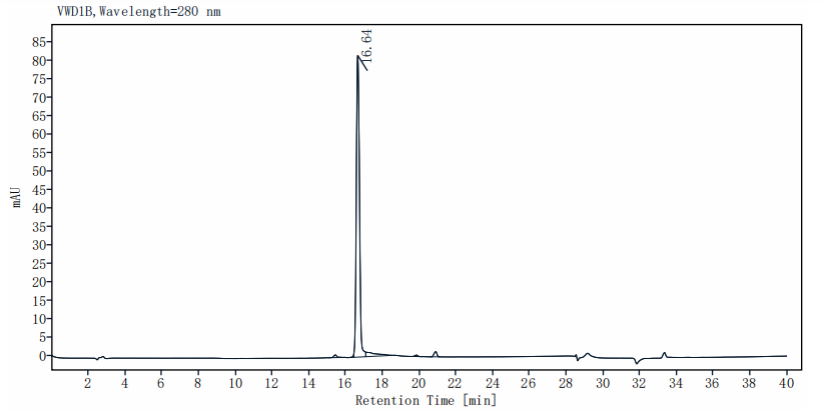
纯度
>95% by SDS-PAGE & HPLC.内毒素含量
<0.1EU/μg活性
Test in progress.标记
Unconjugated标签
No Tag性状
Lyophilized Powder缓冲体系
20mM Tris, 150mM NaCl, pH8.0
溶解方法
Reconstitute at 0.1-1 mg/ml according to the size in ultrapure water after rapid centrifugation.
储存条件
·12 months from date of receipt, lyophilized powder stored at -20 to -80℃.
·3 months, -20 to -80℃ under sterile conditions after reconstitution.
·1 week, 2 to 8℃ under sterile conditions after reconstitution.
·Please avoid repeated freeze-thaw cycles.文献引用
Cell. 2008 Feb 8;132(3):344-62.
Nat Rev Cancer. 2012 Jan 19;12(2):121-32.
The NFKB1 gene, located on human chromosome 4q24, encodes the nuclear factor NF-κB p105 subunit (also termed EBP-1), a 105 kDa precursor protein that undergoes proteasome-mediated processing to generate the mature p50 subunit. NFKB1 functions as a pleiotropic transcription factor ubiquitously expressed across nearly all human cell types, serving as the terminal effector of diverse signal transduction cascades initiated by inflammatory cytokines, pathogens, oxidative stress, and mitogenic stimuli. The protein exhibits dual functional roles: (1) cytoplasmic sequestration of NF-κB complexes through its ankyrin repeat-rich C-terminal domain, and (2) generation of the DNA-binding p50 subunit that forms homodimers or heterodimers with Rel family members (e.g., p65/RELA) to regulate transcription of genes governing immune responses, inflammation, cell proliferation, survival, and apoptosis. NFKB1 activation involves IκB kinase (IKK)-mediated phosphorylation and degradation of inhibitory IκB proteins, enabling nuclear translocation of NF-κB dimers and binding to κB enhancer elements in target gene promoters.
电泳
2μg (R: reducing condition, N: non-reducing condition).
体积排阻色谱(SEC-HPLC)
>95% as determined by SEC-HPLC.
反相高效液相色谱(RP-HPLC)
>95% as determined by RP-HPLC.

评论(0)