


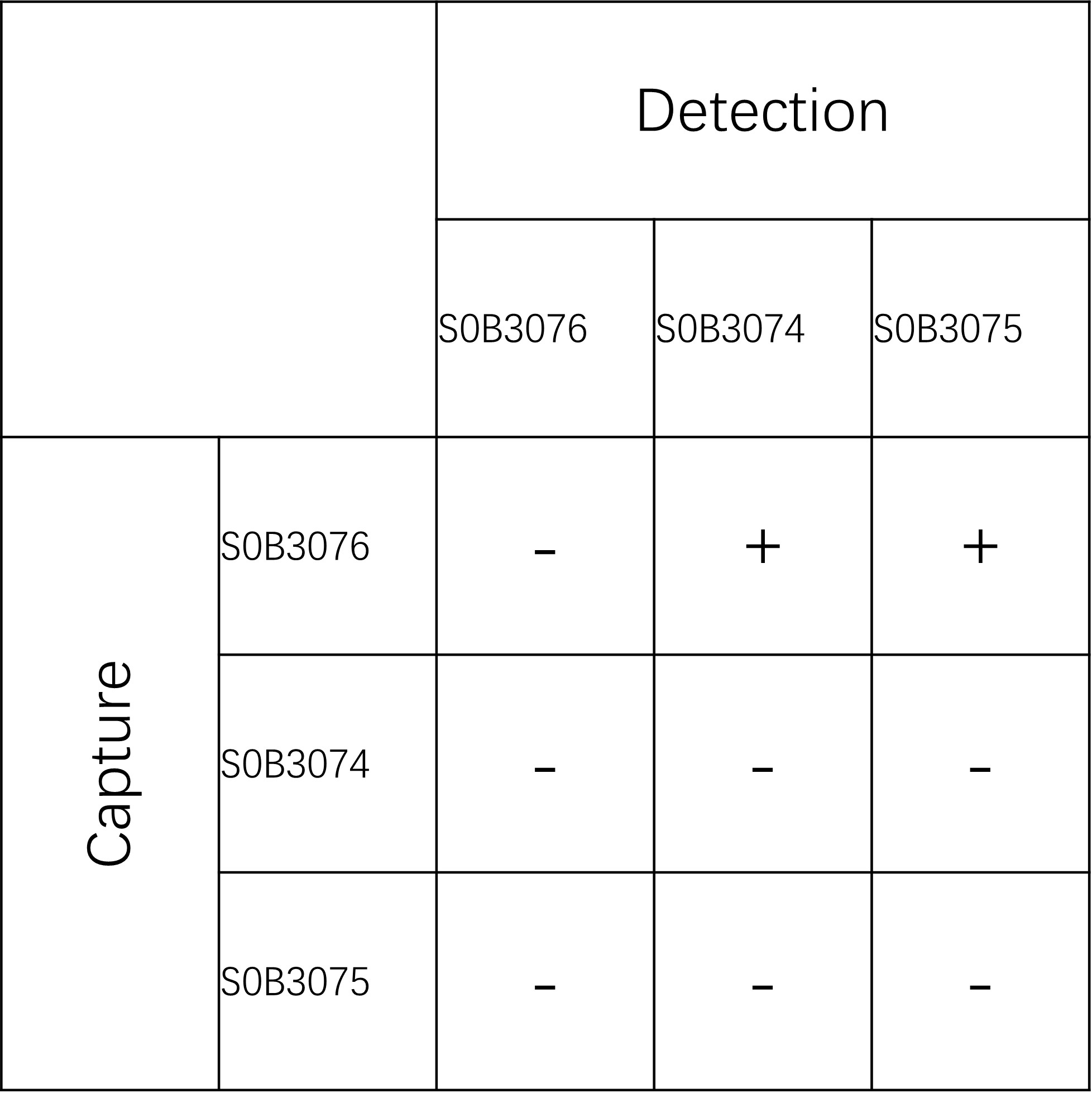


 分享
分享产品介绍 评论(0)
宿主来源
Rabbit抗原名称
PAI-1分子别名
Plasminogen activator inhibitor 1, PAI, Serpin E1免疫原
Recombinant ProteinAccession
P05121克隆号
SDT-214-31抗体类型
Rabbit mAb反应种属 ?
Hu交叉反应
Does not recognize t-PA, PIC complex, TAT complex纯化方式
Protein A浓度
2 mg/ml纯度
>95% by HPLC性状
Liquid缓冲体系
PBS, pH 7.4, 0.03% Proclin 300
储存条件
12 months from date of receipt / reconstitution, 2 to 8 °C as supplied.
应用
Sandwich ELISA
Plasminogen activator inhibitor-1 (PAI-1) also known as endothelial plasminogen activator inhibitor or serpin E1 is a protein that in humans is encoded by the SERPINE1 gene. Elevated PAI-1 is a risk factor for thrombosis and atherosclerosis. PAI-1 is a serine protease inhibitor (serpin) that functions as the principal inhibitor of tissue plasminogen activator (tPA) and urokinase (uPA), the activators of plasminogen and hence fibrinolysis (the physiological breakdown of blood clots). It is a serine protease inhibitor (serpin) protein (SERPINE1). PAI-1's main function entails the inhibition of urokinase plasminogen activator (uPA), an enzyme responsible for the cleavage of plasminogen to form plasmin. Plasmin mediates the degradation of the extracellular matrix either by itself or in conjunction with matrix metalloproteinases. In this scenario, PAI-1 inhibits uPA via active site binding, preventing the formation of plasmin. Additional inhibition is mediated by PAI-1 binding to the uPA/uPA receptor complex, resulting in the latter's degradation. Thus, PAI can be said to inhibit the serine proteases tPA and uPA/urokinase, and hence is an inhibitor of fibrinolysis, the physiological process that degrades blood clots. In addition, PAI-1 inhibits the activity of matrix metalloproteinases, which play a crucial role in invasion of malignant cells through the basal lamina. PAI-1 is mainly produced by the endothelium (cells lining blood vessels), but is also secreted by other tissue types, such as adipose tissue. Increased levels of PAI-1 and tPA are associated with increased risk of cardiovascular disease, especially in patients with concomitant insulin resistance. It has been suggested that the tPA/PAI-1 complex would be an even stronger marker for thrombotic events than tPA antigen, and increased levels of tPA/PAI-1 complex were indeed recently shown to predict increased risk for first-ever stroke.
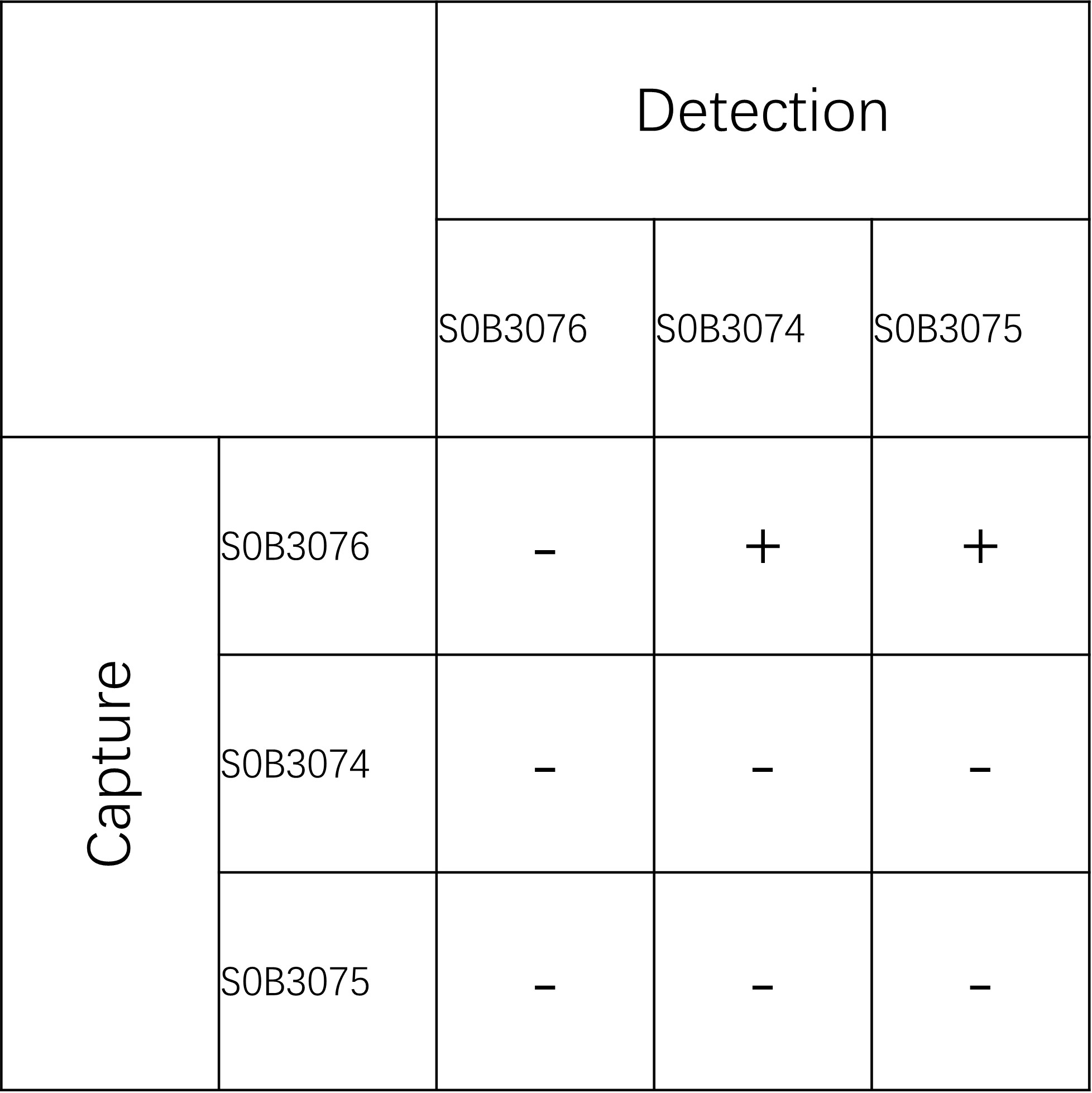
配对推荐

评论(0)